Topic Hub · Rules
Hockey Penalties Explained
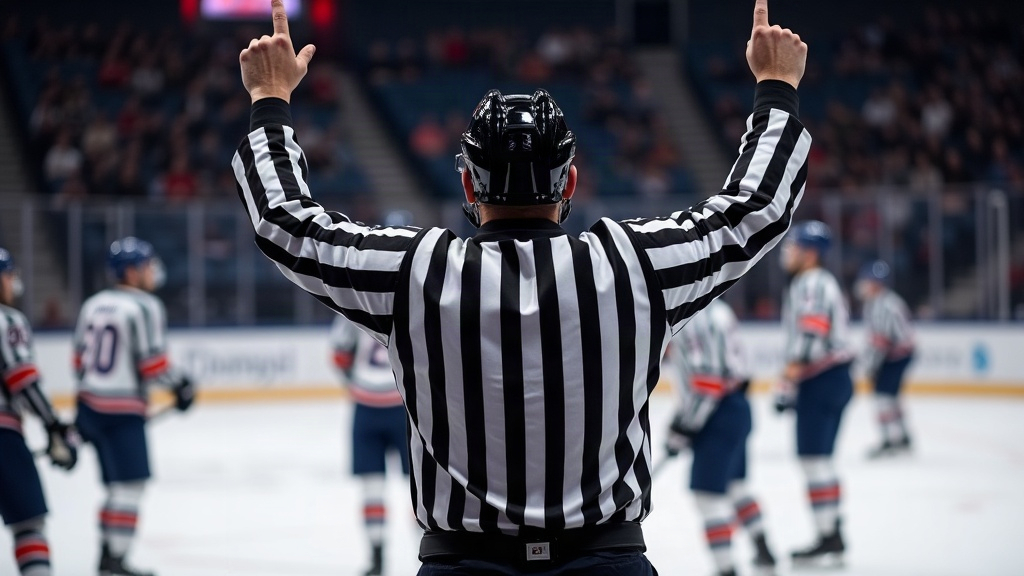
Why did the referee raise an arm? What's the difference between a minor and a double minor? These guides explain every common hockey penalty, how it is called and how it changes the game.
Understand Every Whistle and Every Trip to the Box
Penalties shape hockey games more than almost any other rule. A single two-minute minor can swing momentum, and a five-minute major can decide a playoff series. Yet many fans never learn exactly what separates hooking from holding, or why some infractions earn a misconduct while others don’t.
This hub explains penalty types, the most common infractions and the special situations that follow them, such as delayed penalties, penalty shots and four-on-four play. Rule wording and penalty lengths vary between the NHL, NCAA, USA Hockey and Hockey Canada, so each guide notes where leagues commonly differ.
What You’ll Learn in This Hub
- The difference between minor, double minor, major and match penalties
- Stick infractions: tripping, hooking and slashing
- High-sticking and when it becomes a double minor
- Boarding, charging and checking from behind
- Misconducts and game misconducts
- When penalty shots are awarded and how they work
- Delayed penalties and the extra attacker
- Fighting rules and how they have evolved
- The too-many-men bench minor
- Coincidental penalties and four-on-four hockey
Related reading: new to the game? Start with Ice Hockey Rules for Beginners. Curious how special teams attack and defend after a penalty? See Ice Hockey Tactics and Formations.
Articles
Hockey Penalties Explained: All Articles
Articles for this topic will appear here as soon as they are published. In the meantime, explore the related topics below.